Switzerland's Cantonal Licensing Variations Shape Digital Gambling Access Patterns
Geschrieben von Ben Braun · 14.11.2026
Switzerland's Cantonal Licensing Variations Shape Digital Gambling Access Patterns
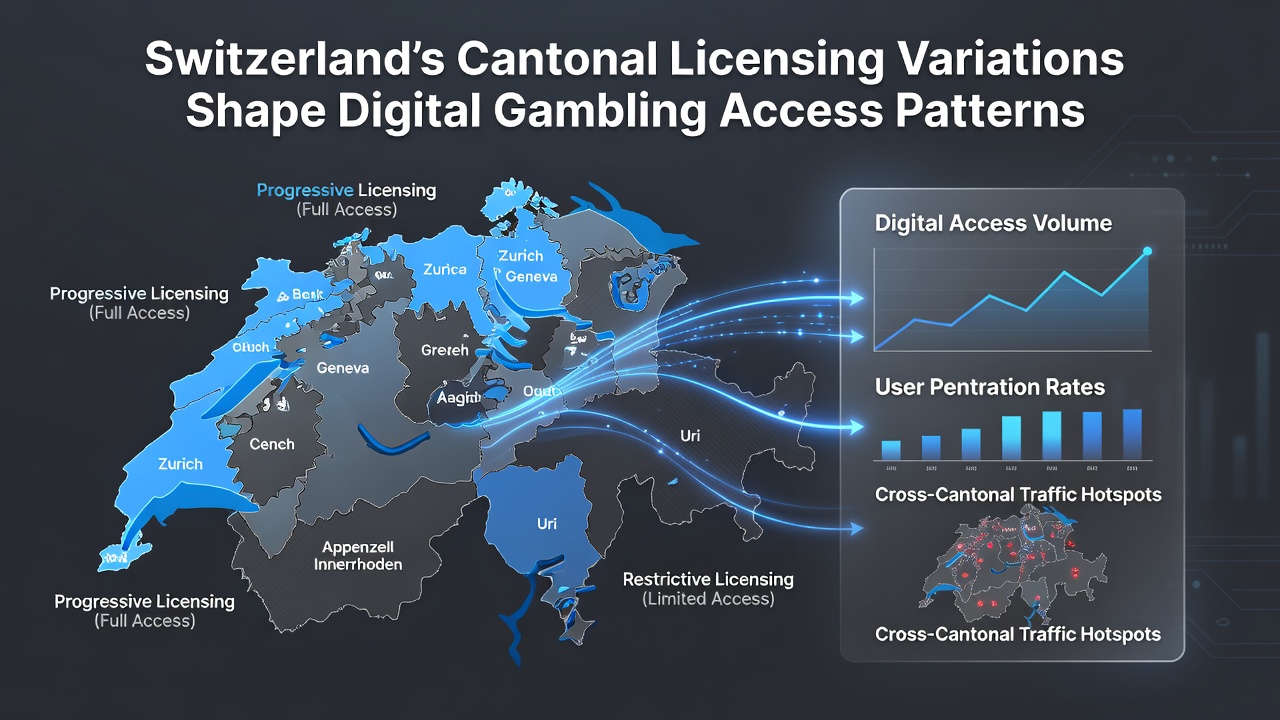
Switzerland operates under a federal framework for gambling that took effect in 2019, yet individual cantons retain significant authority over licensing decisions for both land-based and digital operators. This structure creates distinct regional differences in which platforms receive approval and how users access online casino services. Federal legislation sets baseline standards for player protection and market structure, while cantonal bodies evaluate applications, set local fees, and determine operational conditions for licensed sites. The Federal Act on Gambling established a monopoly-style system for online offerings, requiring operators to secure separate endorsements from each canton where they intend to serve residents. Because approval criteria and timelines differ across the 26 cantons, certain platforms appear in one region months or even years before they reach another. Data collected by the Federal Office of Justice shows that larger cantons such as Zurich and Bern processed more than twice the number of license applications between 2020 and 2024 compared with smaller rural cantons. These licensing disparities directly influence user behavior and market reach. Residents in cantons with faster approval processes encounter a broader selection of regulated sites earlier, while those in slower-moving jurisdictions often rely on fewer options or continue using offshore platforms until local licenses catch up. Access patterns therefore map closely onto cantonal borders rather than following uniform national trends.Regional Approval Processes and Their Effects
Cantonal gaming commissions apply their own weighting to factors such as responsible gambling measures, tax contributions, and infrastructure investments when reviewing applications. Geneva, for instance, has emphasized strict player-fund segregation rules in its licensing decisions, whereas Ticino has prioritized agreements that support local employment through operator data centers. These differing priorities lead to staggered rollout dates for new platforms across the country.
Observers tracking license databases note that some operators first launch in the German-speaking cantons before expanding westward, creating temporary gaps in availability for French- and Italian-speaking populations. The pattern repeats with each new market entrant, reinforcing regional differences in game libraries and bonus structures that licensed platforms may offer.
Impact on Player Access and Platform Strategies
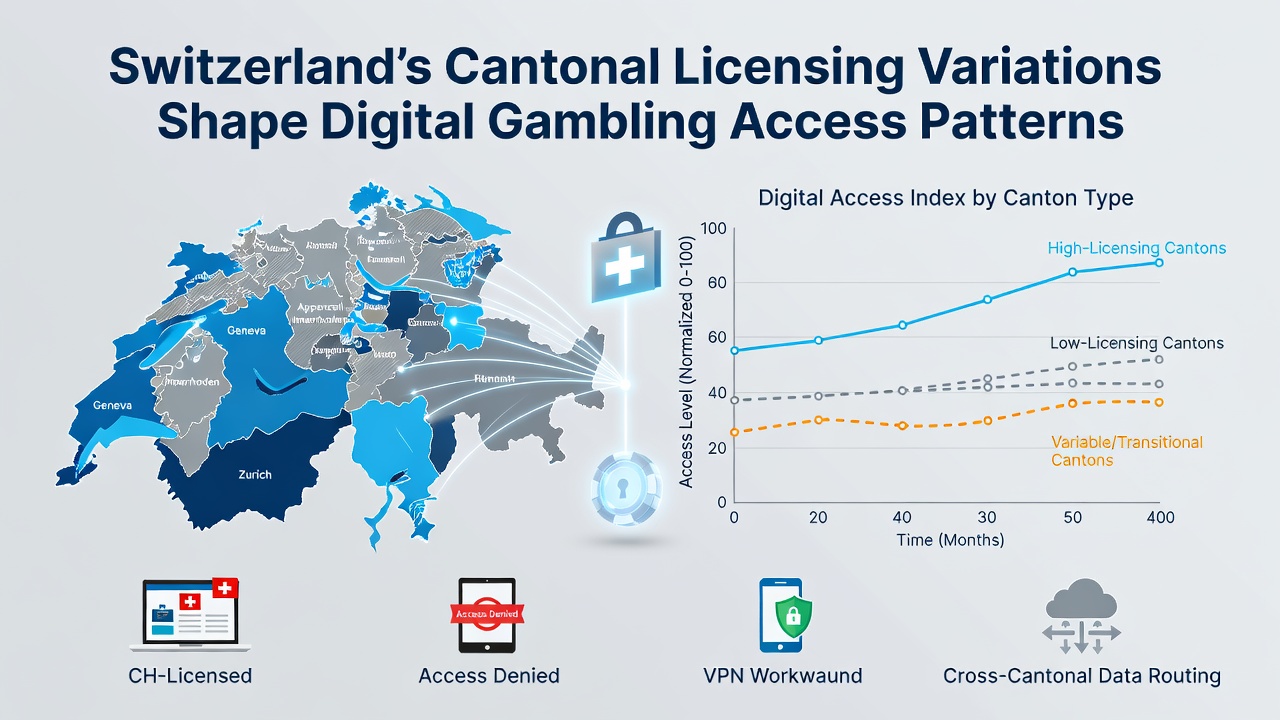
Operators adjust marketing and product offerings according to the cantons where they hold active licenses. A platform approved in only eight cantons during its first year will geo-block users from the remaining eighteen, directing traffic toward licensed competitors in those areas. This segmentation produces measurable differences in average session lengths and deposit volumes that align with license coverage maps.
Research from the Swiss Institute of Comparative Law indicates that cantons maintaining higher application fees and longer review periods experience slower growth in regulated online participation. Conversely, cantons that streamlined digital submission processes saw regulated market share increase by double-digit percentages within 18 months of the first licenses being issued.
Payment integration also varies because some cantons require additional verification steps for cross-border transactions. Licensed operators must therefore maintain separate compliance teams for different regions, raising operational costs that ultimately shape which games and features reach users in each canton.
Developments Expected Through Late 2026
Authorities have scheduled a comprehensive review of the 2019 framework for November 2026. The evaluation will examine whether harmonization measures could reduce licensing delays without compromising cantonal oversight. Preliminary documents released by the Federal Council outline proposals for shared technical standards and reciprocal recognition of certain compliance audits, although final decisions remain subject to cantonal ratification.
Industry reports from the European Betting and Gaming Association project that any agreed changes would begin implementation no earlier than 2027, leaving existing access patterns intact through the end of 2026. Until then, users and operators continue navigating the current patchwork of approvals that defines digital gambling availability in Switzerland.
Conclusion
Switzerland's combination of federal legislation and cantonal licensing authority produces a regulatory environment where digital gambling access follows regional boundaries rather than national ones. License approval timelines, local compliance requirements, and staggered rollout schedules create measurable differences in platform availability across cantons. As the market approaches the 2026 review period, these variations remain the primary factor shaping how residents interact with regulated online gambling services.