Swiss Online Gambling Payment Systems: How Licensed Platforms Handle Cross-Border Transactions for Slot and Live Dealer Play
Geschrieben von Freya Franke · 26.8.2026
Swiss Online Gambling Payment Systems: How Licensed Platforms Handle Cross-Border Transactions for Slot and Live Dealer Play
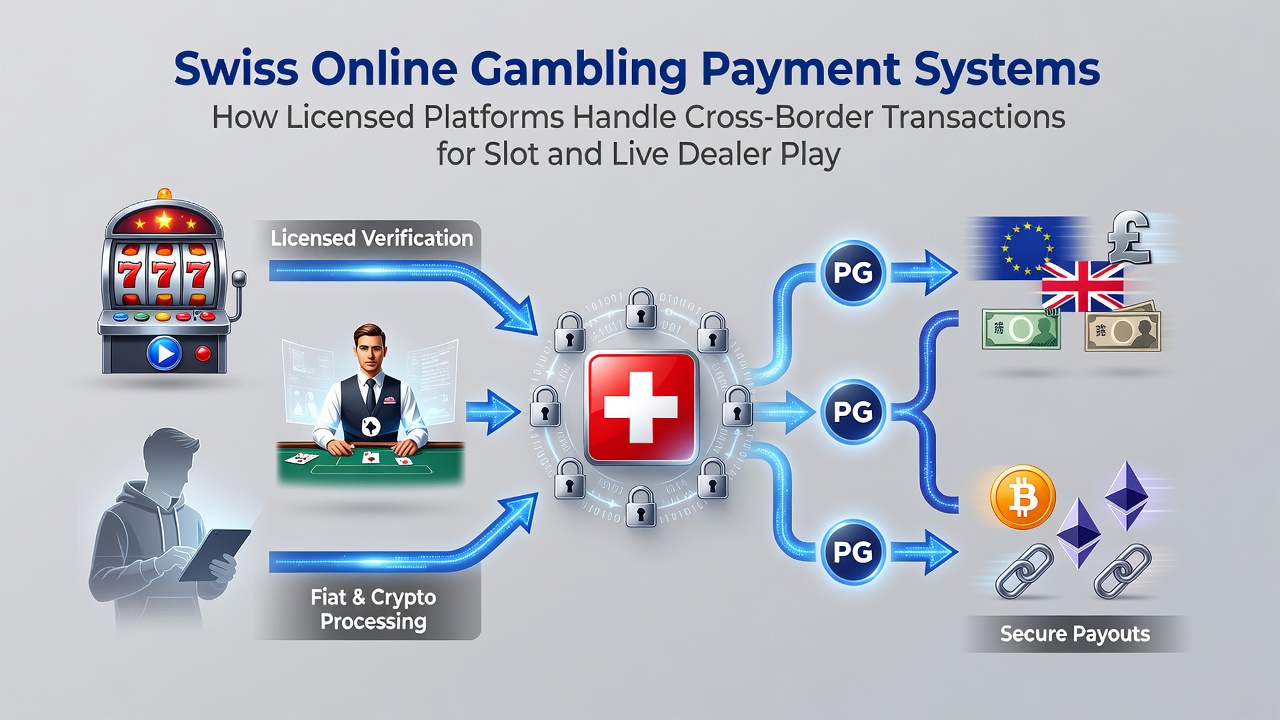
Switzerland maintains a tightly controlled online gambling market under the Federal Act on Gambling that came into force in 2019, and licensed operators must route all financial transactions through systems that meet strict anti-money laundering standards along with player verification rules. Cross-border payments arise when platforms connect with international payment processors or when Swiss residents interact with services that involve foreign banks, yet every transfer stays subject to oversight by the Federal Office of Justice and the Swiss Gambling Supervisory Authority. Platforms integrate automated screening tools that flag suspicious activity before funds move, and these tools draw on real-time data feeds from banking partners to verify both source and destination of money. Payment flows for slot games typically involve smaller, high-frequency deposits and withdrawals that require fast settlement, whereas live dealer sessions often feature larger single transactions tied to table minimums and extended play periods. Licensed operators separate these streams in their backend systems so that slot-related activity triggers different velocity checks than live dealer bets, and this segmentation helps satisfy regulatory reporting thresholds. Operators rely on SEPA transfers within Europe, SWIFT messages for wider international routes, and certified e-wallet providers that have obtained Swiss approvals, while each method carries mandatory documentation that links the transaction to an identified player account.Regulatory Requirements for Transaction Monitoring
Swiss law demands that every licensed platform maintain records of cross-border movements for at least ten years, and data shows that automated reconciliation systems compare each transfer against watch lists maintained by the Financial Intelligence Unit. Operators must report any transaction above CHF 10,000 within strict time windows, and research from the Bank for International Settlements highlights how Switzerland aligns its reporting formats with global standards to reduce friction at the banking level. Platforms conduct ongoing risk assessments that factor in player location, payment origin country, and game type, because slot traffic and live dealer traffic display distinct patterns that regulators examine separately.
Technical Infrastructure Behind Cross-Border Handling
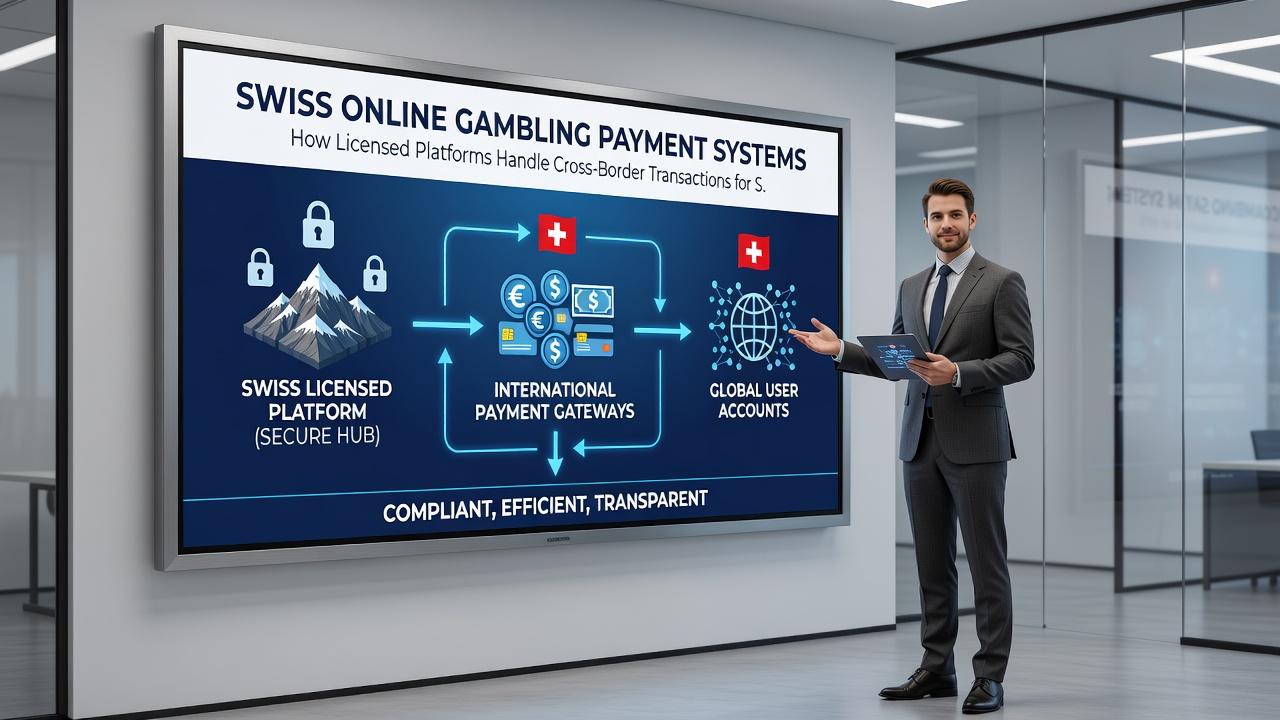
Core banking integrations sit behind secure APIs that encrypt player financial details before they leave the platform environment, and these connections support both push and pull transactions so that deposits clear instantly while withdrawals undergo additional verification steps. Many operators partner with Swiss-licensed payment institutions that act as intermediaries, routing funds through domestic accounts even when the ultimate beneficiary sits outside national borders. This intermediary layer reduces direct exposure to foreign banking regulations and allows platforms to apply uniform compliance checks regardless of whether a player funds a slot session or joins a live roulette table.
Differences in Processing Slots Versus Live Dealer Play
Slot transactions tend to cluster in lower amounts spread across many sessions, so platforms apply aggregate daily limits that trigger enhanced due diligence once cumulative volume reaches defined thresholds. Live dealer play, by contrast, often involves fewer but larger transfers because table stakes and session durations produce higher average bet values, and operators therefore run additional source-of-funds checks on those flows. Both categories feed into the same central monitoring dashboard, yet separate rule sets allow compliance teams to adjust alert sensitivity according to game category without violating overall regulatory uniformity.
Developments Scheduled for August 2026
Regulatory updates taking effect in August 2026 will require licensed platforms to adopt enhanced real-time reporting protocols for all cross-border activity, and these changes build on existing frameworks by mandating machine-readable data formats that align with updated OECD guidelines on financial transparency. Operators have already begun testing the new interfaces with their banking partners, and industry reports indicate that the transition focuses on reducing manual review times while preserving the same level of player protection currently in place.
Conclusion
Swiss licensed platforms manage cross-border payments for slot and live dealer offerings through layered compliance systems, domestic intermediaries, and game-specific monitoring rules that together satisfy both national law and international standards. As the August 2026 reporting enhancements approach, operators continue to refine their technical connections to maintain uninterrupted service while meeting the next generation of oversight requirements.