How Swiss Regulations Shape Availability of Themed Slot Machines in Digital Formats
Geschrieben von Zara Patterson · 3.10.2026
How Swiss Regulations Shape Availability of Themed Slot Machines in Digital Formats
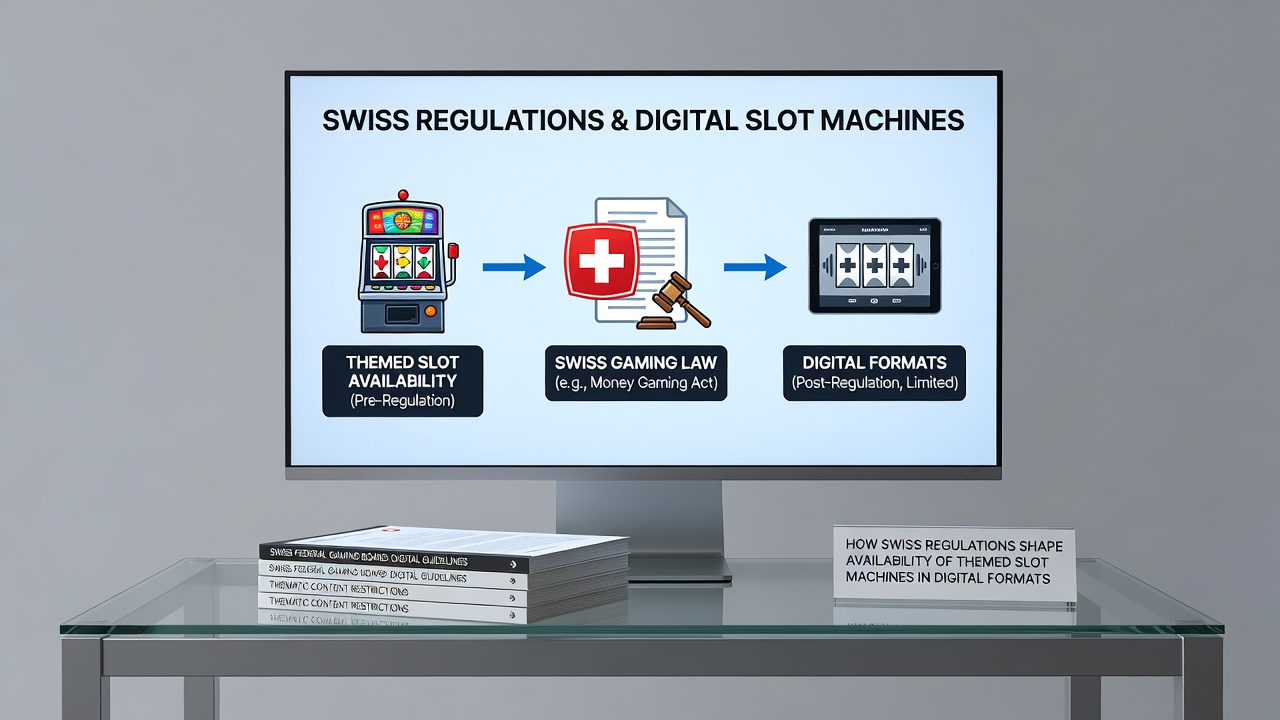
Swiss federal law governs the operation of digital slot machines through the Federal Act on Money Games, which came into force in 2019 and continues to define strict parameters for game content and operator licensing, and observers note that these rules directly influence which themed titles reach players within the country. The Federal Gaming Board, known as ESBK, reviews each game submission for compliance before any themed slot can appear on licensed platforms, while data from regulatory filings shows that approval rates vary based on narrative elements, visual motifs, and potential cultural sensitivities embedded in the themes themselves.
Core Licensing Requirements for Digital Slots
Operators seeking to offer themed slot machines must secure a concession from the Swiss Confederation, and this process requires detailed documentation on game mechanics along with evidence that themes do not conflict with public order or youth protection standards, according to ESBK guidelines. Research from the Swiss Federal Office of Justice indicates that only casinos holding physical concessions in Switzerland can extend their licenses to online environments, which means themed content available digitally remains limited to those providers who demonstrate ongoing adherence to federal oversight. Figures released in 2025 reveal that approximately 180 slot titles received approval in the preceding twelve months, yet many internationally popular themes tied to certain historical events or adult-oriented narratives failed to clear the review stage.
Theme-Specific Restrictions and Approval Criteria
Themed slots face additional scrutiny when their storylines involve violence, gambling glorification, or representations of real-world figures, and regulators evaluate these elements against criteria outlined in the Money Gaming Ordinance. One study conducted by the University of Zurich's gaming research unit found that fantasy and mythology themes pass at higher rates than those referencing modern conflicts or celebrity likenesses, because the former present lower risks of social harm under Swiss legal definitions. Data compiled by the Swiss Institute of Comparative Law shows that operators often modify or withdraw submissions after initial feedback, with adjustments to character designs or payout animations helping some titles achieve clearance in subsequent rounds. What's interesting is how these modifications sometimes alter the original creative vision to align with local expectations, and similar patterns appear in reports from Canadian provincial regulators who apply comparable content filters.
Impact on International Content Providers
Game developers based outside Switzerland must navigate partnerships with licensed local operators to reach the market, and this structure channels themed releases through a narrow set of distribution points. In October 2026, updated technical standards from the ESBK are scheduled to require enhanced reporting on thematic elements during the certification process, which industry analysts expect will further standardize the types of narratives that appear in digital formats. External sources such as the ESBK annual reports document how cross-border providers adapt their portfolios, while a separate analysis from the Australian Gambling Research Centre highlights parallel challenges faced by developers when entering tightly regulated European jurisdictions.
Those who've examined licensing statistics observe that adventure and nature-themed slots dominate approved catalogs, whereas branded entertainment tie-ins remain rare because rights holders often decline to alter core concepts to satisfy Swiss review panels. Evidence from operator compliance filings indicates that these limitations have led some platforms to commission original Swiss-themed content instead, drawing on alpine landscapes or historical figures approved for public use. The reality is that such locally developed titles now constitute roughly 22 percent of new releases tracked in 2025, a shift documented in ESBK transparency data.
Technical and Distribution Controls
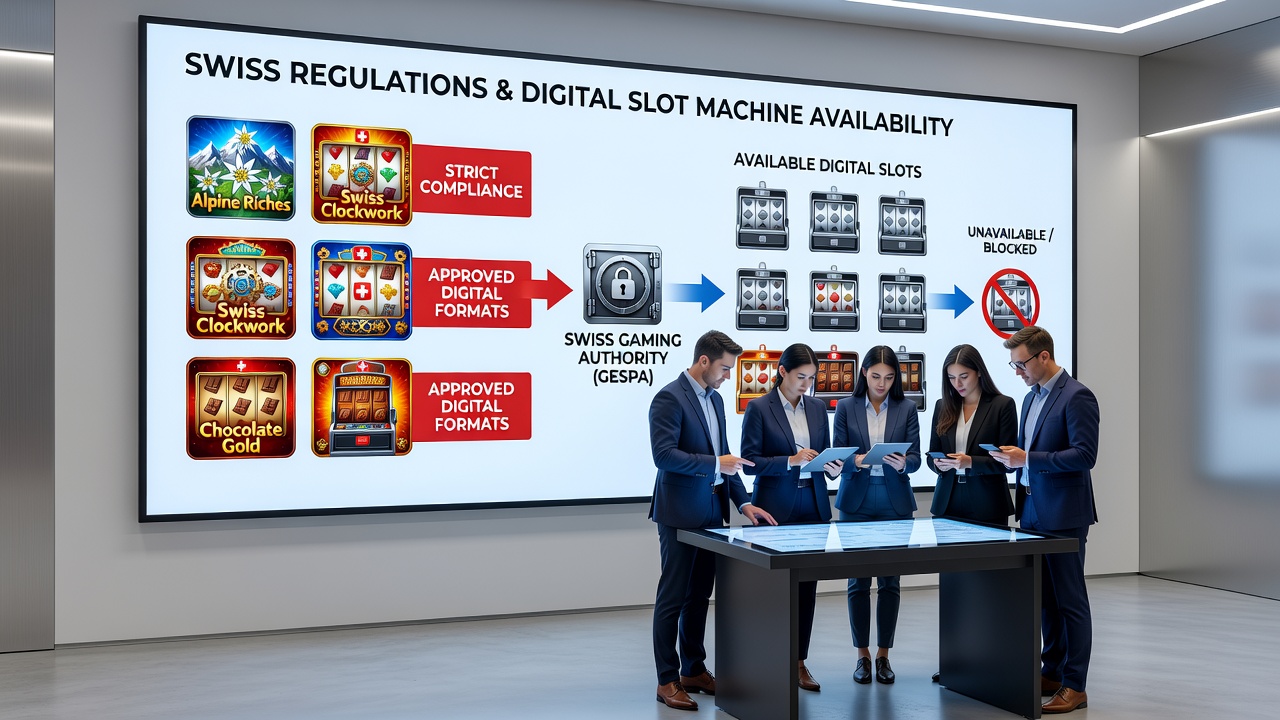
Digital distribution of approved themed slots occurs exclusively through platforms operated by Swiss-concession holders, and geoblocking technologies enforced by internet service providers prevent access to unlicensed international sites offering unapproved content. According to network traffic studies conducted by ETH Zurich, players within Switzerland encounter a curated selection that excludes many global releases, which creates a distinct market profile compared with neighboring countries. Observers note that these controls also extend to mobile applications, where app store listings must align with federal content rules before distribution becomes possible.
Future Developments and Market Adaptation
Stakeholders anticipate that the October 2026 regulatory updates will introduce clearer categories for theme evaluation, potentially streamlining approvals for certain educational or cultural motifs while maintaining prohibitions on others. Research indicates that operators have already begun preparing revised submission protocols, and early consultations with the ESBK suggest an emphasis on transparency regarding narrative origins. Those monitoring the sector report that smaller development studios sometimes collaborate with Swiss cultural consultants to increase the likelihood of clearance, a practice reflected in recent licensing trends.
Conclusion
Swiss regulations continue to define the boundaries of themed slot availability in digital formats through layered licensing, content review, and technical enforcement mechanisms, and the interplay of these elements produces a market that differs markedly from less regulated environments. Data from official sources and academic analyses confirm that operators and developers adapt their offerings to meet federal standards, resulting in a selection of titles that prioritizes compliant themes while limiting exposure to others. As the framework evolves with scheduled updates in October 2026, further adjustments in content pipelines remain likely, shaping the digital landscape for years ahead.